168.17 Router Login Guide

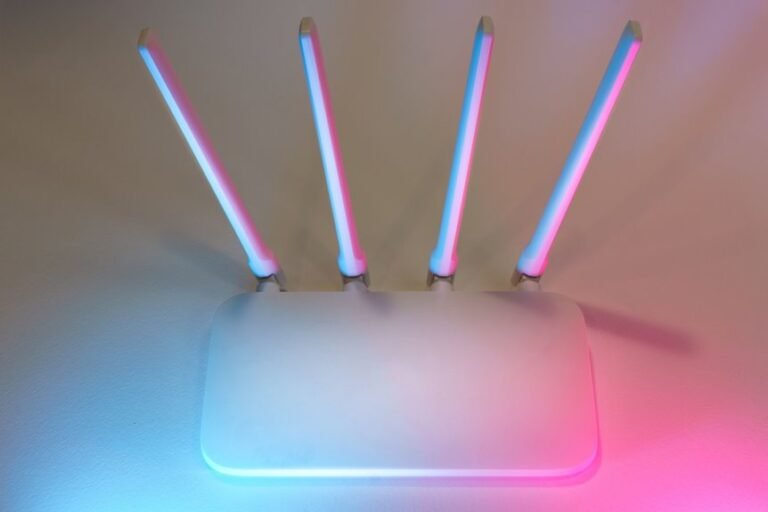
The 168.17 Router Login Guide outlines the essential steps to access a router’s admin console, from locating the device IP to entering credentials. It emphasizes basic security and setup tasks that affect privacy and performance. The guide explains where to find the IP, what credentials to try, and how to reach the configuration interface before making targeted changes. A few critical tweaks matter, but a deeper look reveals the full scope and potential considerations for ongoing control.
What Is the 168.17 Router Login Page and Why Access Matters
The 168.17 router login page serves as the central entry point for configuring the device’s settings, including network security, Wi-Fi credentials, and administrative options. This interface frames how users exercise control, shaping privacy and performance.
Awareness of login misconceptions improves security hygiene, while mindful admin access decisions prevent misconfiguration. Clarity supports freedom through confident, informed device management.
Step-By-Step Login: Find IP, Enter Credentials, and Land on the Admin Console
To begin, users identify the router’s IP address, typically by checking the device label, network settings, or a standard default such as 192.168.0.1 or 192.168.1.1. A secure login follows: enter the appropriate credentials, ensuring password strength and unique values. The process emphasizes security auditing and login etiquette, enabling quick access while maintaining a calm, freedom-respecting configuration mindset.
Essential Security Tweaks: Changing the Default Password, Update Firmware, and Secure WAN Options
Essential security hinges on three core actions: changing the default password, updating the router’s firmware, and configuring secure WAN options. A detached assessment notes that strong credentials curb unauthorized access while firmware updates patch vulnerabilities revealed by security audits.
Implementing parental controls and confirmation of remote management settings further reduce exposure, preserving freedom and safeguarding devices without sacrificing transparency.
Performance and Reliability Tips: Wi‑Fi Setup, Guest Networks, and Troubleshooting Common Login Issues
Navigation reliability hinges on proper Wi-Fi setup, effective guest networks, and proactive troubleshooting of login issues. This section outlines practical steps for Wi Fi optimization, ensuring stable connectivity while preserving user freedom. It covers optimal router placement, channel selection, and interference mitigation, plus clear guidance for guest network setup to balance access and security. Troubleshooting tips address common login failures succinctly.
Frequently Asked Questions
Can I Log in Remotely to the 168.17 Router?
Remote access to the 168.17 router depends on configuration; it may be possible if remote management is enabled, port forwarding is correct, and firewall settings permit secure access. A vigilant approach safeguards credentials and prevents unauthorized access.
What to Do if I Forget the Admin Password?
When forgotten, the user initiates a reset procedure to regain access. A data point shows factory reset restores default credentials. The story-like caution: passwords vanish like footprints; forgot password prompts reset, firmware prompts security precautions, then access returns.
How Do I Reset the Router to Factory Settings?
To reset the router to factory settings, locate the reset button, press and hold briefly until lights flash, then relearn credentials. After access is restored, perform a reset password and update firmware for security and performance.
Which Browsers Best Support the Login Page?
Browser compatibility varies; modern browsers generally support the login page, though some older or less common ones may struggle. The login page accessibility is typically best in up-to-date browsers, ensuring smooth, secure access for users seeking freedom.
Is Two-Factor Authentication Available for Admin Access?
Yes, two factor authentication for admin access is supported. The system can require a second verification method. Admin access remains more secure when two factor is enabled, offering added protection for sensitive settings.
Conclusion
A properly configured 168.17 router login page is the foundation for safe, reliable home networking. By locating the correct IP, entering secure credentials, and applying essential tweaks—changing the default password, updating firmware, and enabling secure WAN—users protect against intrusions and improve performance. Objection: “It’s too complicated.” The process is straightforward: follow the steps, verify settings, and test connectivity; the payoff is stronger privacy, stable Wi‑Fi, and fewer interruptions.