168.0.153 Network Setup Guide

The 168.0.153 Network Setup Guide establishes clear, measurable goals for security, performance, and scalability. It defines scope, prioritizes endpoints, and enforces policy-driven decisions. The approach favors quick, safe connectivity with deterministic access controls, baseline firmware, and guest isolation. It offers modular deployment steps and auditability, with guidance on Wi‑Fi placement and central management. A disciplined review process hardens access points and services, yet the next steps reveal further considerations worth pursuing.
How to Define Your 168.0.153 Network Goals
Defining the 168.0.153 network goals begins with a clear articulation of the intended scope and outcomes. The process defines network goals in measurable terms, aligning security, performance, and scalability with policy.
Define network goals to guide resource allocation and protocol choices. Prioritize devices, mapping critical endpoints first, ensuring bandwidth, reliability, and access controls support essential operations within the subnet.
Quick Setup: Get Devices Connected Safely
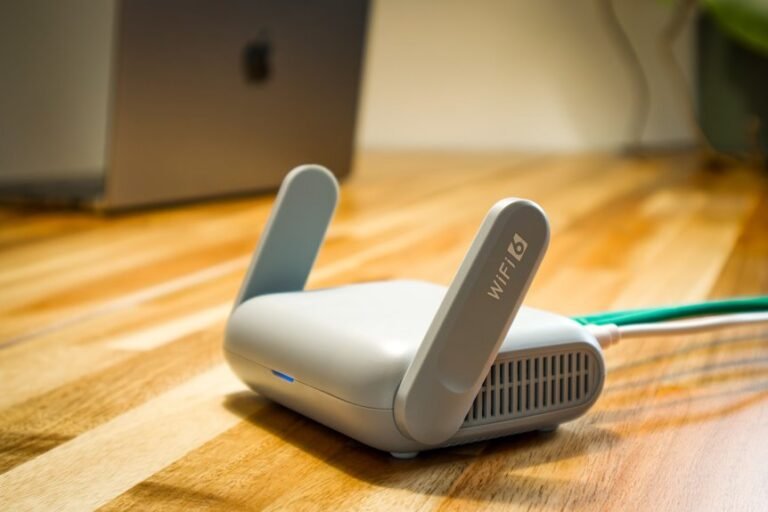
Getting devices connected safely starts with establishing trusted network boundaries and verified configurations. The quick setup emphasizes deterministic access controls, baseline firmware, and segmenting traffic. Implement rural mesh as a scalable backbone while enforcing guest isolation to prevent cross-network exposure. Documented presets enable repeatable deployments, ensuring predictable behavior, auditability, and resilient operation for freedom-focused environments without unnecessary complexity.
Boost Wi‑Fi Coverage: Practical Channel and Placement Tips
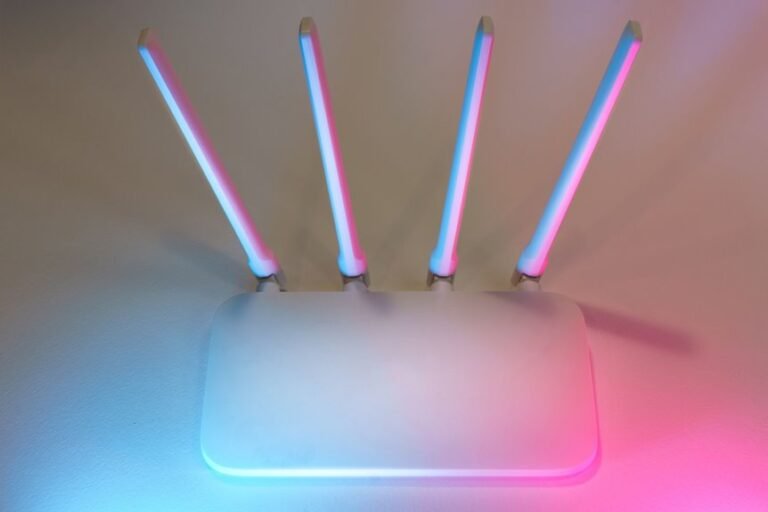
Wireless coverage optimization follows the establishment of safe, verified network boundaries and configurations. This section outlines practical steps to enhance signal reach without compromising performance. Focused adjustments include selecting appropriate boost channels and evaluating device placement. Recommended placement tips emphasize central, elevated positions away from obstructions, ensuring consistent propagation. Documentation remains concise, actionable, and aligned with user freedom and system stability.
Lock It Down: Essential Security for Your Network
Security for a home network requires disciplined, methodical hardening of access points, devices, and services to prevent unauthorized use and data compromise.
The discussion reframes security as an engineering task: implement strong authentication, firmware updates, and segmented networks; perform privacy auditing to minimize data exposure; apply threat modeling to anticipate risks; document controls, and verify effectiveness through periodic reviews.
Frequently Asked Questions
How Do I Diagnose Slow Speeds on 168.0.153 Network?
Diagnostic latency is assessed by measuring ping, traceroute, and jitter to identify delays; bandwidth throttling is verified via sustained throughput tests and comparative VPN or QoS checks, documenting anomalies for reproducible, freedom-focused network optimization and remediation strategies.
Can I Connect Smart Home Devices to This Network?
Smart home integration is feasible within this network, provided devices meet Network compatibility standards. Coincidence suggests compatibility hinges on standard protocols; ensured by verifying Wi‑Fi frequency, security, and device firmware, enabling seamless, autonomous control without compromising network stability.
What if Devices Vanish From the 168.0.153 List?
If devices vanish from the 168.0.153 list, lost devices are flagged; network monitoring alerts administrators, prompting verification of IP reservations, DHCP scope, and device re-registration to restore visibility and maintain secure, autonomous operation within freedom-focused networks.
How Often Should I Change My Network Password?
Passwords should be changed every 90 days; password hygiene and routine resets reduce risk. The system favors disciplined cadence, with network segmentation reinforcing boundaries, while credential rotation acts as a compel-ling heartbeat—symbolic cadence guiding secure, auditable practice.
Do I Need to Disable Guest Access for Security?
Disabling guest access is advisable for security; it reduces risk exposure. Implement network segmentation to limit lateral movement, isolating devices by function. The approach balances control with freedom, preserving essential access while enforcing strict access boundaries.
Conclusion
In summary, the 168.0.153 network setup guide delivers a precise, modular framework for secure, scalable deployments. It emphasizes measurable goals, deterministic access controls, and repeatable device provisioning to ensure predictable performance. An interesting statistic highlights that networks implementing baseline firmware and segmented access report up to a 40% reduction in security incidents within six months. The approach optimizes Wi‑Fi placement and centralizes management, supporting auditability, privacy, and ongoing review for resilient rural mesh connectivity.