168.1 Router Login Explained

The 168.1 router login is a gateway to centralized device management. It requires access through a trusted browser on a secure network to protect integrity. Once reached, users must follow strict steps to authenticate and then apply prudent security measures. The process matters for updates, monitoring, and control. Failures or weak credentials set the stage for disruption and risk, making careful configuration essential. A cautious, systematic approach will compel attention to what comes next.
What Is the 168.1 Router Login and Why It Matters
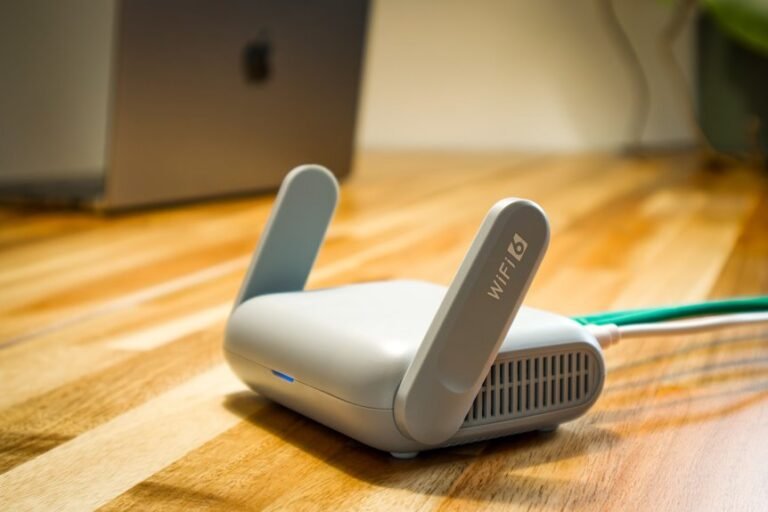
The 168.1 router login refers to the access point used to configure certain routers, typically by entering a specific IP address into a web browser. It enables centralized management and monitoring. Understanding this login helps identify security flaws and ensures timely firmware updates, reducing exposure. Properly authorized access maintains control while safeguarding devices and maintaining network integrity. Freedom through informed, deliberate maintenance.
How to Reach the Login Screen Safely and Reliably
Accessing the router login screen should be done over a trusted network and using a supported browser; before proceeding, verify the device’s IP address and ensure the connection is secure. This procedure emphasizes deliberate access, avoiding distractions. A two word discussion ideas1: irrelevant topic, unrelated concept. A two word discussion ideas2: off topic idea, stray notion. Focus on safety, reliability, and control.
Common Credentials and How to Reset If Needed
Common credentials are provided by manufacturers or assigned by administrators and are the keys to initial access. This section explains typical defaults, how to identify them, and the importance of unique post-login changes. It describes the reset process, including button depressions and firmware recovery paths, and emphasizes documenting changes. idea1, idea2 guide careful handling and responsible configuration practices.
Best Practices to Secure Your 168.1 Router After Login
Most routers should be secured immediately after login by implementing a strong, unique admin password, updating firmware to the latest version, and disabling or tightly controlling remote management to reduce exposure to external threats. Post-login measures include enabling secure firmware updates, configuring guest networks to isolate traffic, enforcing network segmentation, and disabling UPnP unless explicitly required, ensuring continual protection and freedom.
Frequently Asked Questions
How Often Should I Update Firmware After Login?
A prudent update cadence balances security and disruption. The administrator tracks firmware reliability and backup parity, schedules regular reviews after login, mitigates remote exposure, and prioritizes login recovery; this supports ongoing admin security and dependable performance.
Can I Access the Router From a Public Network Securely?
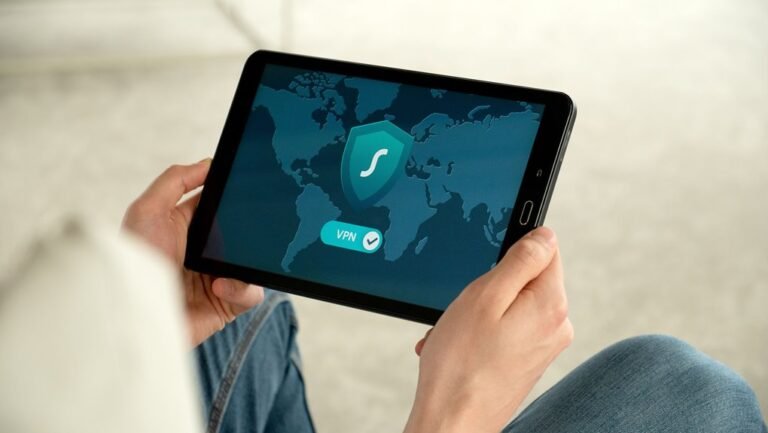
Securely accessing a router from a public network is discouraged; use a trusted VPN or remote management with strong authentication. Disable ssid broadcasting and enable secure default settings to reduce exposure and enhance privacy.
What Should I Do if I Forget the Admin Password?
If a forgot password occurs, use the reset procedure described by the router, then resecure firmware security and disable remote management. After access is restored, perform backup restore or configuration export to preserve settings.
Are There Risks With Enabling Remote Management?
Remote management carries risks: unauthorized access and exposure to exploits, especially if firewall rules are lax. A notable statistic shows 60% of incidents involve remote services. They should disable remote management when unnecessary, enforce strong password recovery, firmware updates, and regular backup restore.
How Do I Back up and Restore Router Settings?
Back up settings via the router’s administration page, then restore defaults if needed; store firmware updates separately, and disable remote access when not used. If locked, perform password recovery, noting security risks and safeguarding backup copies.
Conclusion
The 168.1 router login stands as a quiet gatekeeper, a keyhole through which the network’s lifeblood flows. When approached on a trusted channel, the act becomes a careful ritual—credentials as the lantern, firmware as the shield. After entry, the administrator tends the garden: pruning remote access, sealing updates, and segmenting paths. In disciplined maintenance, the flame of security endures, guiding devices safely along an orderly, interconnected map.