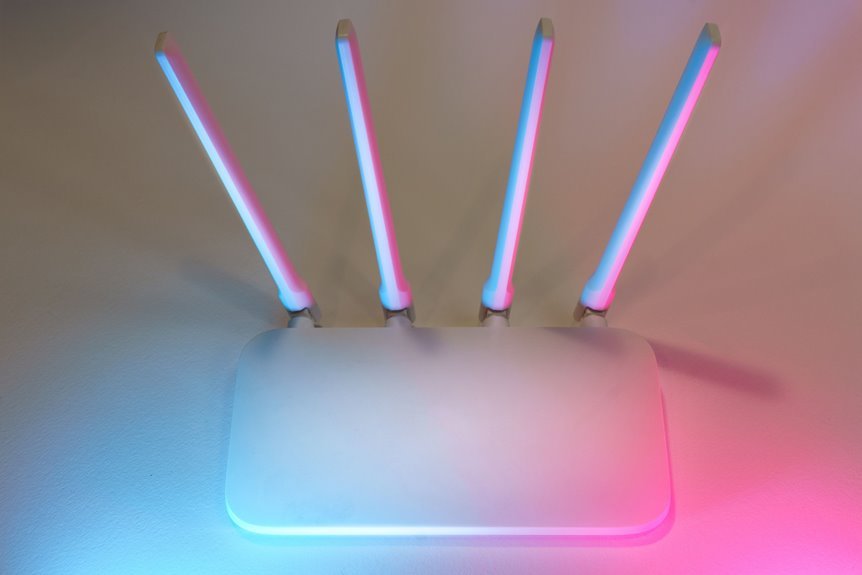
168.100.34 Router Login Guide

Access to the 168.100.34 admin interface hinges on proper access and verification. The guide outlines locating the login page, inspecting default credentials, and applying initial changes with a focus on security. It emphasizes strong admin passwords, disabling unnecessary remote access, and updating firmware. After these steps, additional configurations await, including network naming, encryption, and device auditing. For those tasked with securing this router, gaining momentum requires careful, deliberate action to proceed with confidence.
How to Access the 168.100.34 Admin Interface
To access the 168.100.34 admin interface, open a web browser and enter http://168.100.34 in the address bar. This access point offers direct control over device settings, emphasizing security and reliability.
The article highlights two word discussion ideas: firmware updates, VPN setup.
Clear navigation, precise instructions, and freedom-focused language enable straightforward configuration without overwhelm.
Default Credentials and What to Change First
Default credentials are the first line of defense after gaining access to the 168.100.34 admin interface.
The article presents essential steps: identify the current default credentials, replace them with unique values, and document changes for accountability.
Implement strong security practices, including regular review, least privilege, and routine audits to maintain resilient access control.
Secure Login Practices and Common Pitfalls
Secure login practices are essential to protect the 168.100.34 router from unauthorized access and potential abuse.
The guidance emphasizes a strong security posture, avoiding default credentials, and enabling multifactor options where available.
Prioritize password hygiene, regular firmware updates, and adherence to networking fundamentals.
Awareness of common pitfalls prevents weak configurations and strengthens defense without compromising freedom.
Essential Router Settings to Configure After Login
Configuring essential router settings after login establishes a foundation for network security and performance. After access, the user should enable a strong administrator password, disable remote management where unnecessary, and set a unique network name (SSID) with proper encryption. Regular firmware updates reduce security risks and improve stability, while monitoring connected devices helps maintain freedom and transparency.
Frequently Asked Questions
What to Do if the Login Page Times Out?
If the login page times out, the device experiences router latency likely due to lost configuration. The user should power cycle, reconnect, and verify IP settings to restore access, preventing further lost configuration and stabilizing performance.
How to Reset Router to Factory Defaults?
A wry smile accompanies the answer: reset procedure does what it promises—restores control. The factory reset clears configurations, resolves network timeout or login page timeout, and grants freedom to reconfigure, though careful steps and documentation are advised.
Can I Recover a Forgotten Admin Password?
A forgotten password cannot be recovered for security reasons; instead, the administrator should use password recovery procedures provided by the router manufacturer. These steps typically involve reset or recovery modes to restore access, then reconfigure credentials and security.
Which Firmware Versions Support 168.100.34 Login?
Firmware compatibility varies by model; no universal list exists for 168.100.34 login. Generally, newer firmware preserves login page timeout settings while maintaining basic access. Users should verify official release notes to confirm firmware compatibility and timeout behavior.
Do Guest Networks Require Separate Login Credentials?
Guest networks do not require separate login credentials by default; access is often treated as extended network access. This highlights guest network security considerations and router management segregation, ensuring visitors stay isolated while admins retain centralized control and monitoring.
Conclusion
Accessing the 168.100.34 admin interface should be straightforward and secure. After logging in, replace default credentials with strong, unique values and document changes for accountability. Disable unnecessary remote management, enable encryption, and update firmware regularly. Create a distinct SSID, monitor connected devices, and enable available multifactor options. Think of the router as a vigilant guardian: with disciplined settings, it shields the network from unseen threats. A well-tuned device, quietly, keeps everything running smoothly.