0.0.251 Router Login and Settings

Access to the 0.0.251 router admin panel begins with confirming network connectivity and locating the device’s default IP. The process requires noting current settings, resetting only when necessary, and updating credentials to secure the gateway. Steps cover default login, firmware updates, and Wi‑Fi optimization, including SSID, passwords, and channel selection. A careful, documented approach ensures proper segmentation and control. The discussion will continue with practical procedures and security hardening to prevent gaps in the network.
How to Access the 0.0.251 Router Admin Panel
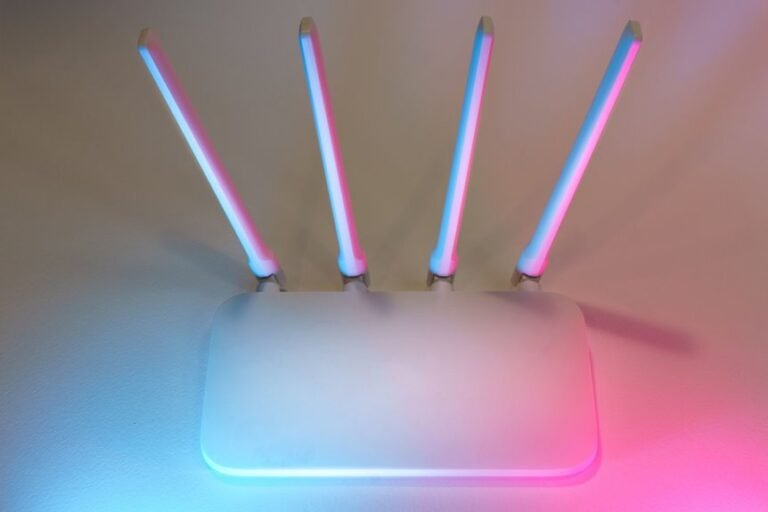
To access the 0.0.251 router admin panel, open a web browser and enter the device’s default IP address (commonly 192.168.1.1 or 192.168.0.1) into the address bar.
The process outlines access limitations and admin interface basics, emphasizing a methodical approach.
The objective is clear: stable configuration, controlled access, and fearless autonomy within the network.
Default Credentials and Safe Reset Procedures
Default credentials for the 0.0.251 router are typically printed on the device label or provided in the manual, and should be changed on first use to prevent unauthorized access.
The procedure emphasizes deterministic steps: document current settings, perform a safe reset if credentials are unknown, reconfigure with unique values, and verify connectivity.
Default credentials and safe reset safeguards ensure controlled access and reliability.
Optimize Wi‑Fi: SSID, Passwords, and Channel Settings
Optimal Wi‑Fi performance follows after securing access and standardizing device controls. The guide outlines practical steps to optimize wi‑fi through precise SSID selection, robust passwords, and deliberate channel settings. It emphasizes minimal interference, consistent naming, and firmware updates. Parental controls and security upgrades are reviewed as foundational tools for stable, freedom‑driven networks, while avoiding overreach and complexity.
Strengthen Security and Parental Controls
Strengthening router security and implementing parental controls are essential to protecting connected devices and supervising network use.
The approach emphasizes secure defaults, enabling automatic firmware updates, and enforcing strong authentication methods.
Implement parental controls with time and content filters without overreach.
Use guest networks for isolated, guest traffic.
Regular auditing of rules and device inventory sustains a resilient, freedom-preserving network environment.
Frequently Asked Questions
Can I Use a VPN With This Router?
Yes, VPN usage is possible on the router, though configurations vary by model and firmware. The answer should note potential factory reset nuances, firmware limitations, and stepwise setup for secure, freedom-oriented remote access and traffic routing.
How Do I Reset to Factory Without Losing Config?
A clockwork maze, the device resets to factory reset by holding the reset button 10–15 seconds, preserving no config; it thus requires reconfiguration. Reset router; VPN usage and VPN compatibility may be affected, reapply settings carefully.
Does Router Support Guest Network Isolation?
Guest network isolation depends on the router features; many models support it. It preserves privacy concerns by segmenting wireless guest traffic within the correct network topology, reducing cross-access while maintaining freedom for visitors and essential devices.
Can I Enable IPV6 on All Devices?
A hypothetical home network case shows IPv6 enablement across devices is not universal; device compatibility varies. In practice, enablement depends on router support, upstream ISP, and device IPv6 readiness. Often not all devices participate simultaneously; verify each.
How to Update Firmware Manually via USB?
The manual firmware update via USB requires a firmware backup first, then perform a USB installation. The device powers off, enters recovery mode, selects USB, confirms installation, and logs completion while preserving settings and ensuring rollback capability if needed.
Conclusion
Accessing and securing a 0.0.251 router involves methodical steps: verify connectivity, log in with non-default credentials, back up current settings, and document changes. Optimize the Wi‑Fi setup with a strong SSID and password, prudent channel selection, and guest or parental controls where appropriate. Regular firmware updates and auditing of rules strengthen resilience. In short, plan, implement, and review—steady progress beats reckless experimentation, and a well‑maintained network runs like clockwork.