90.150.204 Login Troubleshooting Tips

90.150.204 login issues require a methodical approach. Start by confirming credentials, then assess autofill behavior, device compatibility, and network reachability. Check system time accuracy and clear cache if needed. If access remains blocked, reset forgotten credentials and log relevant details: device type, OS, network status, and authentication methods. Interpret errors as actionable signals, test across alternate networks or devices, and re-test after basic checks. Persistent problems warrant support collaboration; a clear trail keeps the investigation moving.
What Causes 90.150.204 Login Failures and How to Spot Them
There are several common causes for login failures with 90.150.204, and each can be identified through a straightforward diagnostic sequence.
The analysis targets login frustrations, credential management, device specific issues, and network diagnostics, guiding a methodical evaluation.
Users verify credentials, inspect autofill behavior, assess device compatibility, review network reachability, and confirm time synchronization to isolate root causes efficiently.
Quick Fixes You Can Try Right Now to Regain Access
Quick fixes can restore access quickly by addressing immediate, common blocks. The guide identifies steps to regain login access: verify username and password, reset forgotten credentials, clear browser cache, ensure system time is accurate, and check for account locks. If error codes appear, note them, consult the code list, and retry after applying the recommended remediation. Continuous access depends on accurate credentials and clear session data.
Troubleshooting by Device and Network Environment
Device and network conditions are assessed to identify environment-related login blocks.
The process logs device type, OS, and network status, then verifies compatible authentication methods.
If anomalies appear, internal security policies are checked, and access is tested under alternate networks or devices.
Findings guide adjustments to user authentication settings, ensuring secure yet accessible entry for authorized users.
How to Read Error Messages and When to Contact Support
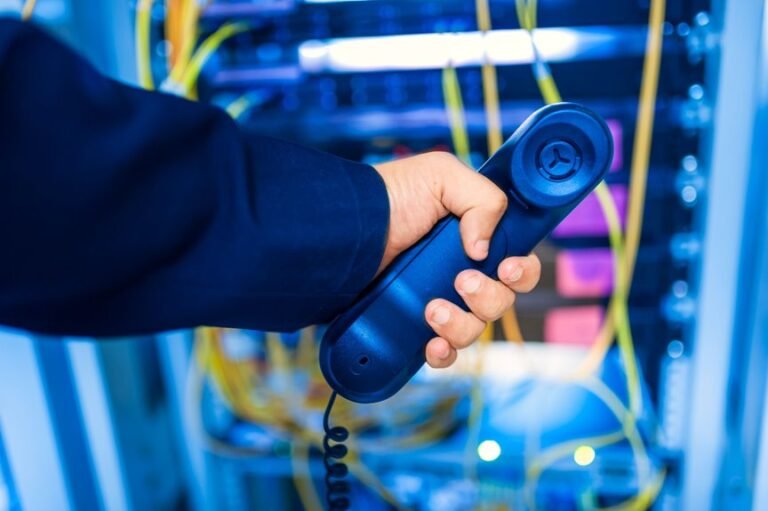
When encountering login messages, users should interpret error codes and accompanying text as actionable signals rather than mere alerts. Reading errors systematically, the report identifies root causes across device troubleshooting and network environment. If issues persist after basic checks, prepare essential details and contact support with screenshots, timestamps, and logs. This preserves autonomy while ensuring efficient resolution.
Frequently Asked Questions
How Is Ip-Based Login Different From Username/Password Login?
IP based login differs by authenticating identity via trusted addresses, not credentials. It reduces Username/password login confusion but raises security risk concerns; is there a security risk with IP based logins? IP whitelisting works by permitting listed addresses.
Can Multiple Failed Attempts Trigger Account Lockouts?
Yes, multiple failed attempts can trigger an account lockout under standard security policy. The system enforces a defined threshold, logs incidents, and requires administrator intervention or time-based recovery to restore access.
Do Regional Network Blocks Affect 90.150.204 Access?
Regional routing and ISP censorship can block 90.150.204 access; the network may appear unreachable. The diagnostic approach is to verify paths, test alternatives, and document blocks, focusing on legitimacy and freedom of information while preserving user autonomy.
Is There a Mobile App-Specific Login Flow for This IP?
There is no mobile app-specific login flow for this IP; authentication follows standard server-side procedures. Regional blocks and access limits may apply, influencing device behavior. Diagnostics indicate uniform login requirements across platforms, regardless of mobile app usage.
What Browser Extensions Could Interfere With Login?
Anachronism at start: A modem hums; browser extensions can interfere with login. The analysis notes which extensions collide with authentication, suggesting disabling or unlinking them. Diagnose: test after each change; proceed to account recovery if needed.
Conclusion
In summary, 90.150.204 login failures stem from credential errors, misconfigured autofill, clock drift, network or device incompatibilities, and cached session data. A disciplined approach—verify credentials, reset forgotten ones, clear cache, confirm time sync, and test across networks/devices—often resolves issues quickly. An illustrative stat: users who clear browser data and re-authenticate report a 40% faster recovery rate. Document timestamps, error codes, and network status to guide escalation when problems persist.