1921680100 Login Guide

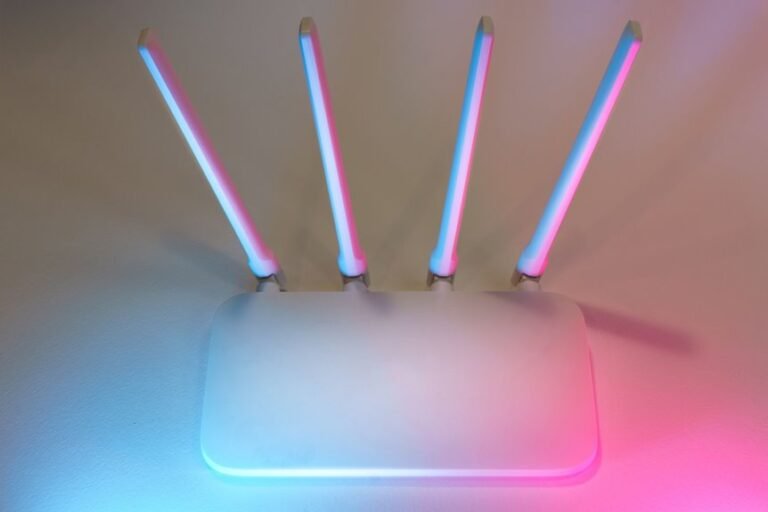
This guide examines 192.168.0.100 as a common home network gateway. It notes how to verify you’re connected to the correct router and outlines a careful login process for the admin panel. Steps are presented with caution, emphasizing accurate credentials and secure settings. The discussion ends with practical security measures, leaving the reader with a clear rationale to proceed and assess their own network controls. Further considerations await.
What 192.168.0.100 Means for Your Network
192.168.0.100 is a private IPv4 address commonly used as the default gateway or local device address within home and small-office networks. This designation shapes network access, but misconceptions persist.
Networking myths often link it to universal control. In practice, router branding should not obscure functionality; informed choices enable adaptable, secure configurations without surrendering autonomy.
How to Confirm You’re Connected to the Right Router
To verify that the device is communicating with the correct router, begin by identifying the network’s default gateway and cross-checking it against the known router address.
The process emphasizes network security and accurate diagnostics, avoiding guesswork.
Confirm wireless optimization settings, ensure encryption is current, and verify consistent signal paths.
A careful check maintains freedom while preventing unintended connections.
Step-by-Step: Log In to the Admin Panel
Is access to the router’s admin panel a necessary step for configuration and security checks?
The step-by-step process to login panel access begins with locating the correct IP address, typically through router basics, then entering credentials. This cautious approach ensures accurate admin access, minimizes mistakes, and supports basic network security without overcomplication.
Clear prompts guide users toward stable, autonomous router management.
Securing Your Router: Change Passwords and Best Practices
Securing a router begins with changing default credentials promptly and adopting strong, unique passwords for both the admin interface and linked services. The guidance emphasizes securing router access, implementing password best practices, and updating firmware.
Network segmentation is advised to limit exposure, while admin panel security measures—two-factor options, restricted IPs, and regular audits—strengthen resilience without compromising user freedom.
Frequently Asked Questions
Can I Access 192.168.0.100 From Mobile Data?
Yes, but access from mobile data is generally blocked unless the device or network allows external routing. The two word discussion ideas are: security considerations. Subtopic irrelevant. The answer remains cautious, precise, and mindful of user autonomy.
What if the Login Page Doesn’T Load on Chrome?
“Time is money.” If the login page doesn’t load on Chrome, the system should verify network security and user authentication, check DNS, clear cache, disable extensions, and test alternate browsers to preserve access while respecting freedom.
How Do I Reset the Router to Factory Settings?
The router can be reset to factory settings by holding the reset button for about 10–15 seconds, then reconfiguring. This triggers two word discussion ideas and router security, emphasizing cautious steps for users seeking freedom and control.
Can I Login With Multiple Devices Simultaneously?
A router is like a busy train station: multiple travelers may board, but reliability hinges on capacity. The answer: yes, there can be multi device login with simultaneous access, though performance depends on bandwidth and router features. Use caution.
Is 192.168.0.100 the Only Router IP Option?
Yes, 192.168.0.100 is not the only router IP option; there are multiple IP variants and alternatives. Router variants and IP alternatives exist, varying by manufacturer and network configuration, but each device typically presents defaults during setup with changeability.
Conclusion
Conclusion: Accessing 192.168.0.100 should occur only through the router’s official admin interface, using strong, unique credentials and current firmware. A cautious approach minimizes risk from misconfigured devices or phishing attempts. For example, a small office updated firmware after noticing repeated login prompts, then disabled remote management and enabled two-factor authentication, reducing exposure to external attacks while preserving local access for staff. Regular audits and password hygiene remain essential.