168.0.1 Router Login Guide

Accessing the 168.0.1 router admin page begins with a browser and the address http://168.0.1. If credentials are requested, use the default pair shown on the device label or in the manual, such as admin/admin or admin/password. Should login fail, verify the inputs, clear cache, and confirm the device is connected to the router. Proper firmware updates and strong wireless settings improve stability, but challenges may still arise, and the next steps reveal practical ways to proceed.
How to Access the 168.0.1 Router Admin Page
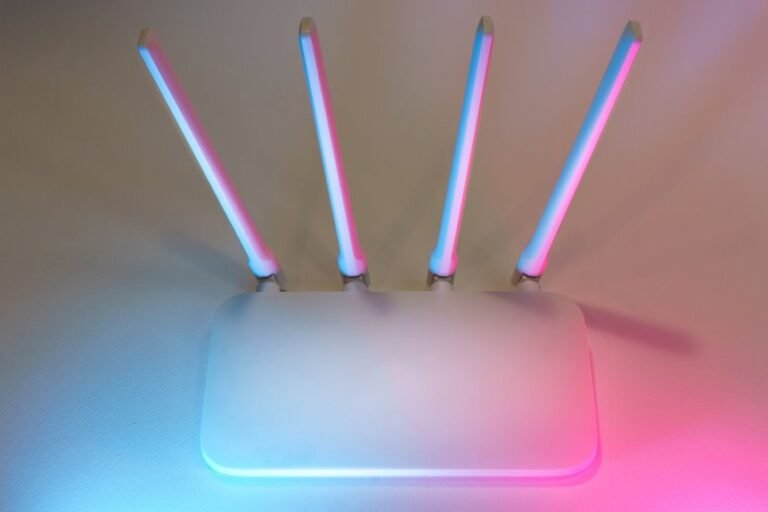
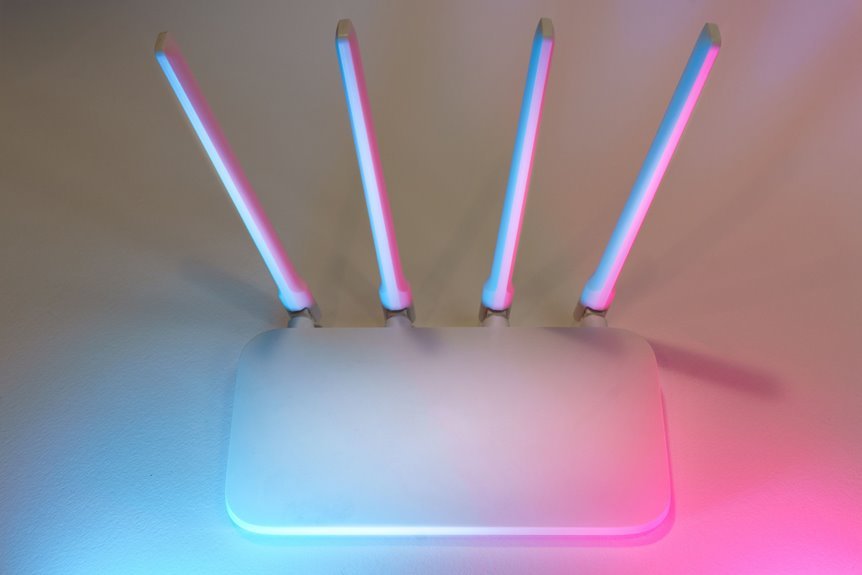
To access the 168.0.1 router admin page, open a web browser and enter http://168.0.1 in the address bar. The page prompts for credentials, if required, with a clean interface. Users learn how to access essential settings efficiently, then proceed to configure security and connectivity. This guide emphasizes how to access the router admin with clarity and purpose.
Troubleshooting Common Login Problems
Common login problems with the 168.0.1 router often stem from incorrect credentials, outdated firmware, or incompatible browsers. In router troubleshooting, users verify username and password, update firmware, and clear browser cache. They attempt alternative browsers, reset passwords, and ensure device connectivity. Documented steps reduce downtime, minimize error messages, and support seamless access to admin settings through disciplined, methodical troubleshooting.
Fast Ways to Strengthen Wi-Fi Security
Fast Ways to Strengthen Wi-Fi Security: Key steps can be implemented quickly to reduce risk and protect network access. The guide emphasizes security auditing to regularly review logs, firmware integrity checks, and device trust lists.
Maintain password hygiene by using unique, strong passwords and rotating keys. Disable WPS, enable WPA3 where possible, and segment guest networks to minimize exposure and unauthorized access.
Personalizing Settings for Reliable Home Networking
Personalizing settings for reliable home networking involves tailoring configurations to balance performance, security, and usability. The guide presents practical steps without bias, focusing on stable connections and user autonomy. Emphasize consistent firmware updates and sensible defaults. Consider factors like QoS, channel selection, and guest networks as core tools. Avoid unclear branding; understand router basics to sustain resilient, self-reliant networks.
Frequently Asked Questions
Can I Use a VPN While Logged Into the Router?
Yes, one can use a VPN while logged into the router, but it affects admin page security. The guidance emphasizes vpn access and admin page security, ensuring encrypted connections and cautious handling of credentials for user freedom and protection.
What to Do if the Admin Page Won’T Load on Mobile?
The admin page won’t load on mobile; troubleshoot by checking network, clearing cache, trying a different browser, and disabling VPN. Two word discussion idea1, Two word discussion idea2, then reattempt via mobile data or wired connection.
How Do I Reset the Router Without Losing Internet?
A notable fact: 70% of users reset routers unsuccessfully on first try. The plan: power cycle, hold the reset while unplugged, replug, wait, and reconfigure; avoid unrelated topic, off topic discussions, and preserve internet connection where possible.
Which Firmware Updates Are Essential for Security?
Essential security depends on timely firmware updates; prioritize those addressing critical vulnerabilities, followed by those improving privacy and stability. Regularly enable automatic updates, verify publisher authenticity, and maintain backups. This approach preserves control while reducing exposure.
How Can I Monitor Connected Devices in Real Time?
Real time traffic monitoring reveals devices instantaneously; monitoring devices shows status changes. In practice, consult router UI, enable real-time dashboards, flag disconnected devices, and verify firmware updates while maintaining freedom and control over network visibility and security.
Conclusion
The guide closes with a steady compass for home networks: access via 168.0.1, verify credentials, and update firmware to keep doors guarded. Like a lighthouse in fog, clear steps illuminate secure paths—from login to WPA3, QoS, and guest networks—preventing drift into instability. When settings are personalized and connections tested, reliability rises and surprises fall away. A disciplined routine yields a resilient, safer Wi-Fi harbor for every device.