168.1.181 Router Setup Tutorial

A concise 168.1.181 router setup guide outlines accessing the admin page, validating the login prompt, and navigating to status and management to disable guest access, update firmware, and save changes. It then covers QuickSetup to enable WPA3 or WPA2, set a strong passphrase, disable WPS, and test connectivity, followed by privacy basics and a separate guest network with isolation. The article ends with admin hardening, scheduled updates, troubleshooting steps, and documented resolutions—with two-word discussion ideas to frame further considerations.
How to Access the 168.1.181 Router Admin Page
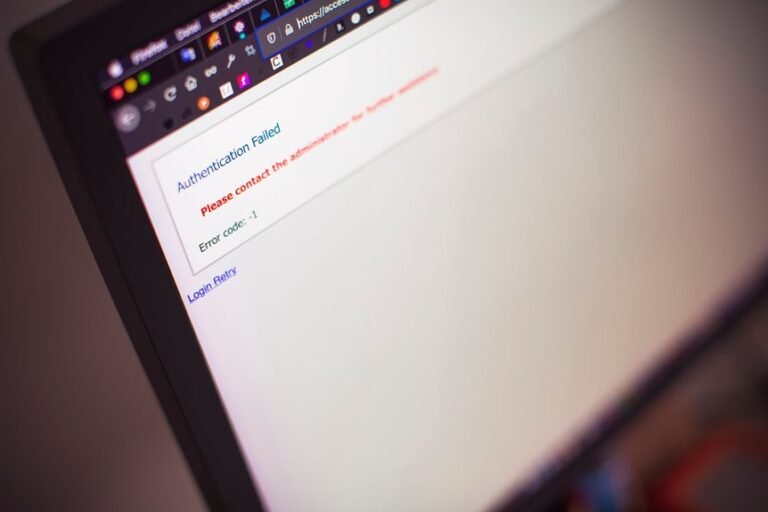
To access the 168.1.181 router admin page, the user should open a web browser and navigate to http://168.1.181 or https://168.1.181. The interface loads login prompts requiring credentials; once authenticated, navigate to status and management.
Actionable steps include: disabling guest access, updating firmware, and confirming changes are saved. This process maintains autonomy and reliable control over network settings.
Secure Your Wi‑Fi: QuickSetup for 168.1.181
Secure your Wi‑Fi on the 168.1.181 router with a concise QuickSetup workflow. Access the admin page, navigate to Wireless, then enable WPA3 or WPA2 if unavailable. Set a strong passphrase, disable WPS, and apply. Enable privacy basics awareness, and configure a separate guest networks segment with limited access. Save settings and test connectivity for freedom and security.
Basic Router Settings You Should Configure
With the security groundwork from the previous QuickSetup, the focus now shifts to practical baseline configurations that every 168.1.181 router should have.
Prioritize network security by enabling strong WPA3 or WPA2 mixed mode, disabling WPS, and setting a unique admin password.
Schedule regular firmware updates, monitor logs, and apply minimal, essential port forwarding for trusted services only.
Troubleshooting Common 168.1.181 Issues
Common issues on 168.1.181 routers typically stem from misconfigurations, firmware faults, or conflicts with connected devices.
Troubleshooting proceeds with precise steps: verify IP schemes, update firmware, and reset to documented defaults.
Employ two word discussion ideas and networking basics to frame diagnostics, isolate WAN/LAN traffic, and test after each change.
Document results for repeatable, freedom-minded resolution.
Frequently Asked Questions
Can I Change the Router’s Default IP Address?
The router’s default IP address can be changed. To proceed, change hostname and update firmware as needed; configure a new gateway IP, ensure access remains reliable, and document the settings for future reference, preserving network freedom and security.
How Do I Back up and Restore Settings?
Backup settings involve exporting configuration to a file via the router’s interface; restore settings requires selecting that file and applying it, ensuring firmware compatibility. The detached reader follows precise steps, maintains control, and preserves network freedom during the process.
What Parental Controls Are Supported on This Model?
54% of households rely on robust controls, illustrating the need for clarity. The model supports parental controls, device management, firmware updates, and port forwarding; configurations can be tailored, deployed remotely, and audited for policy compliance and security.
Is There a Guest Network With Bandwidth Limits?
Yes, a guest network exists with configurable bandwidth limits; enable and set per-device caps. Parental controls remain available on the main network, but guest-only features may vary by firmware. Users seeking freedom can tailor access and quotas.
How Do I Enable VPN Passthrough on This Router?
VPN passthrough basics explained: The router enables passthrough by toggling the VPN passthrough option, applying it to the desired WAN interface. Router security tips advise using strong encryption, updates, and firewall rules for secure, freedom-friendly connectivity.
Conclusion
In the quiet hum of the network rack, the final screen glows with confirmation. The admin saves the hardened settings, then tests connectivity—nothing obvious, yet the clock ticks, hinting at unseen adjustments. A deliberate reboot edges closer, and the logs whisper of a clean passphrase and isolated guest traffic. What remains is a precise footprint: secure WPA3, updated firmware, and a resilient schedule. The door isn’t open, but the lock is set, and the path forward remains clear.