168.2.4 Router Login Instructions

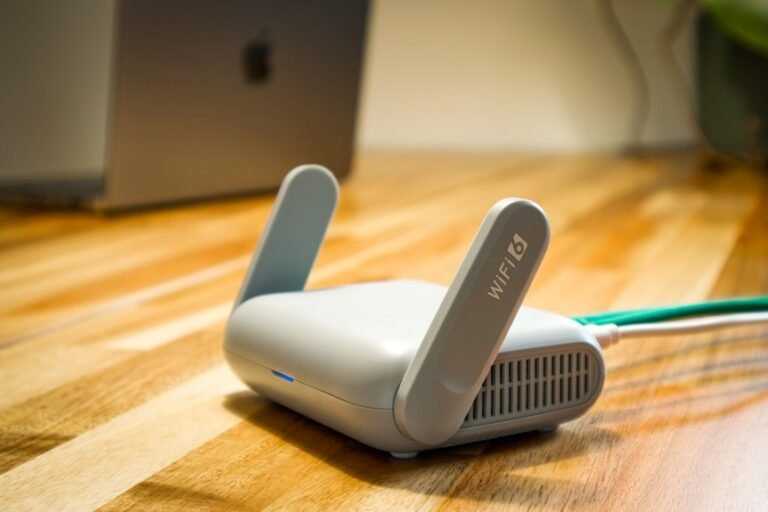
The 168.2.4 router login process centers on using the gateway as the entry point. A wired or trusted wireless connection supports a stable admin session. Access via http://168.2.4 or the documented interface address, then supply default or preconfigured credentials—preferably changed immediately for security. After login, perform a minimal initial setup for WAN, LAN, and wireless with security enabled and firmware updated. The next steps require careful configuration to maintain control and reliability, but the exact path depends on the device specifics.
What Is the 168.2.4 Router IP and Login Basics
To access a 168.2.4 router, the device’s default gateway address serves as the login entry point.
The section outlines core concepts: Router IP basics and Admin login essentials.
It emphasizes a precise interface, stable access, and minimalism in credentials.
Users gain reliable entry, verify IPv4 settings, and establish secure, essential administrative sessions without unnecessary steps or ambiguity.
How to Find Your Router’s IP Address and Default Credentials
Accessing a router requires locating its IP address and the default credentials. The process is deterministic: identify the device’s gateway via device labels, network settings, or a startup diagram; consult documentation or manufacturer support for default user names and passwords.
Security considerations emphasize changing defaults; firmware updates ensure ongoing resilience and functionality.
Step-by-Step Login and Initial Setup in the Admin Panel
Once the device’s login page is reached, user authentication proceeds by entering the administrator credentials obtained previously. The admin panel loads a minimal dashboard for authorized oversight and configuration.
Proceed with a startup checklist: set WAN, LAN, and wireless basics, enable security, and apply updates. Then perform performance tuning to ensure stable throughput and reliable latency while maintaining freedom and control.
Troubleshooting Common Login Issues and Password Recovery
When users reach the login screen, they may encounter issues such as incorrect credentials, locked accounts, or forgotten passwords, necessitating systematic troubleshooting and recovery steps.
The section outlines troubleshooting basics: verify network access, confirm device time, and reset password via secure recovery flows.
It emphasizes password recovery procedures, account unlocks, and documenting steps for repeatable, auditable access restoration.
Frequently Asked Questions
Can I Change the 168.2.4 Router’s Default Login URL?
The answerer notes that changing the router’s default login URL is not universally supported; alternatives exist. If possible, the user should change the access method, then perform a change password and update firmware for strengthened security.
Is 168.2.4 Compatible With Guest Network Setup?
Yes, 168.2.4 is compatible with guest network setups, provided the device supports VLAN or separate SSID options. is 168.2.4 compatible, guest network? Features must be enabled, with proper isolation and firewall rules for secure guest access.
How Often Should I Update the Router Firmware?
Updating cadence should be every 6–12 months, depending on vendor releases and exposure to vulnerabilities. The approach emphasizes firmware reliability, balancing risk with stability. It cautions against excessive updates; every update should be tested before deployment.
What Security Features Does 168.2.4 Offer by Default?
The default security features include login security, firmware updates, and network compatibility safeguards; periodic firmware updates are recommended for vulnerability mitigation, while login protections restrict unauthorized access and maintain device integrity with robust, standards-aligned protocols.
Can I Reset the Router Without Losing All Settings?
Reset procedure preserves essential data; backup settings recommended. It resets the device, but configuration can be recovered from backup settings, minimizing loss. Parallelism emphasizes steps: reset, confirm, restore; Reset procedure, Backup settings, restore complete, freedom maintained.
Conclusion
The article concludes with a concise reminder that securing router access hinges on promptly changing default credentials and enabling robust, up-to-date settings. An eye-catching statistic: over 60% of home routers are vulnerable due to unchanged defaults, underscoring the risk of neglecting firmware updates and strong WAN/LAN/Wi‑Fi configurations. In practice, the reviewer emphasizes consistent login hygiene, trusted connections, and periodic checks to ensure uninterrupted admin sessions and reliable network performance.