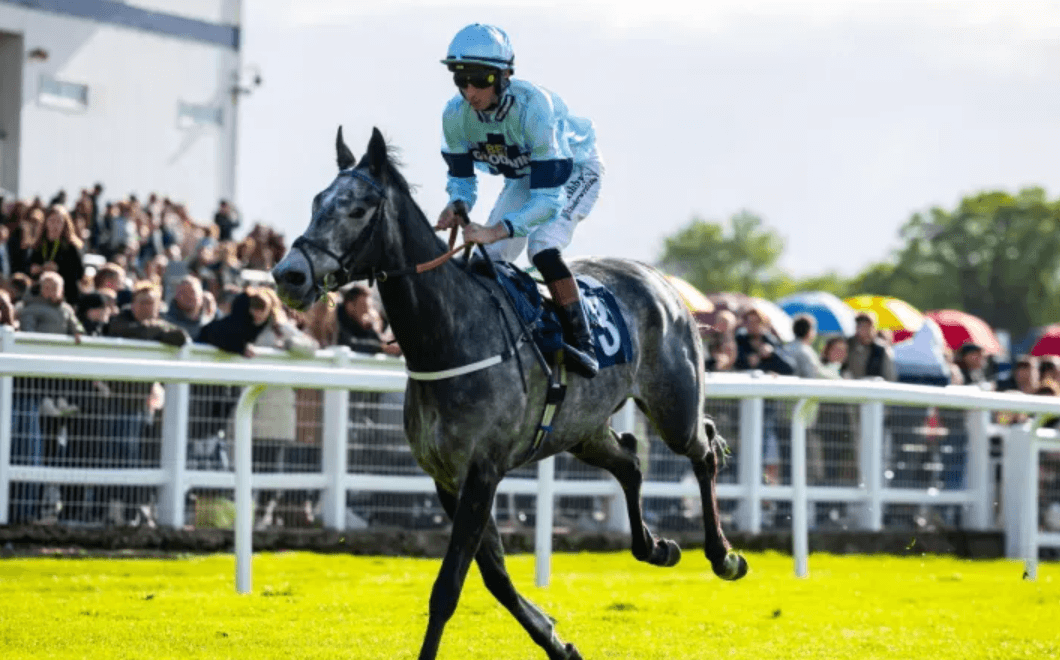
Flat Racing Vs Jump Racing: What’s the Difference?

The distinction between flat racing and jump racing lies in their fundamental characteristics and demands. Flat racing emphasizes speed on a clear track, showcasing the raw talent of the horses. In contrast, jump racing introduces obstacles that test agility and endurance. Each discipline requires different skills and strategies, influencing training methods and race dynamics. Understanding these differences is crucial for appreciating the nuances of horse racing. What unique challenges do these variations present for horses and riders alike?
Key Characteristics of Flat Racing
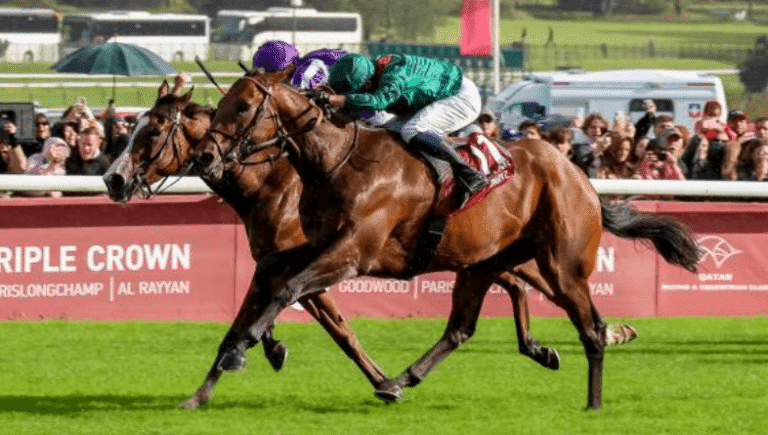
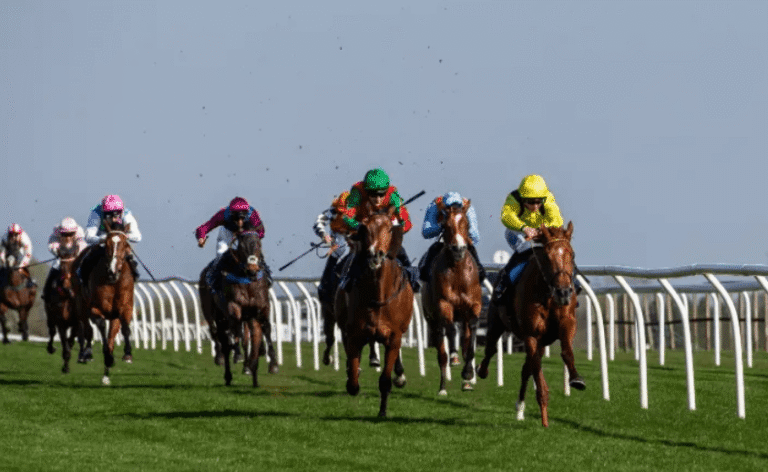
Flat racing, often viewed as the epitome of horse racing, is distinguished by its unique characteristics that set it apart from other racing formats.
It primarily features specific horse breeds, such as Thoroughbreds, known for speed and agility. Races occur on flat tracks without obstacles, emphasizing the pure racing ability of the horses, allowing spectators to appreciate the raw talent and athleticism involved.
Key Characteristics of Jump Racing
Jump racing, in contrast to its flat racing counterpart, introduces a distinct layer of complexity and challenge.
This exhilarating sport features obstacle courses that demand not only speed but also agility and precision. Race techniques in jump racing require horses to navigate various jumps and hurdles, showcasing their athleticism and the rider’s skill.
The dynamic nature of this discipline captivates both participants and spectators alike.
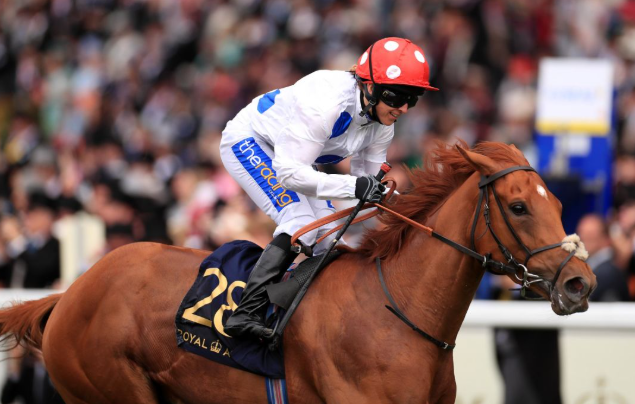
See also: Female Jockeys Who Changed Horse Racing Forever
Comparing Skills and Strategies in Both Disciplines
While both disciplines showcase the remarkable abilities of horses and their riders, the skills and strategies required in flat racing and jump racing differ significantly.
Flat racing emphasizes speed and tactical maneuvers, necessitating precise rider techniques for optimal positioning.
In contrast, jump racing demands a balance of agility and endurance, with riders employing unique strategies to navigate obstacles and maintain momentum throughout the course.
Conclusion
In conclusion, while both flat racing and jump racing showcase the exceptional capabilities of Thoroughbreds, the distinct demands of each discipline raise an intriguing question: does the type of racing influence a horse’s long-term athletic potential? Some theorists argue that the specialized training required for jump racing may lead to greater overall fitness and versatility. This notion invites further exploration into how these contrasting forms of competition shape not only the horses’ skills but also their longevity and success in the sport.